

Brake Pad Replacement: Signs It’s Time & Cost Guide
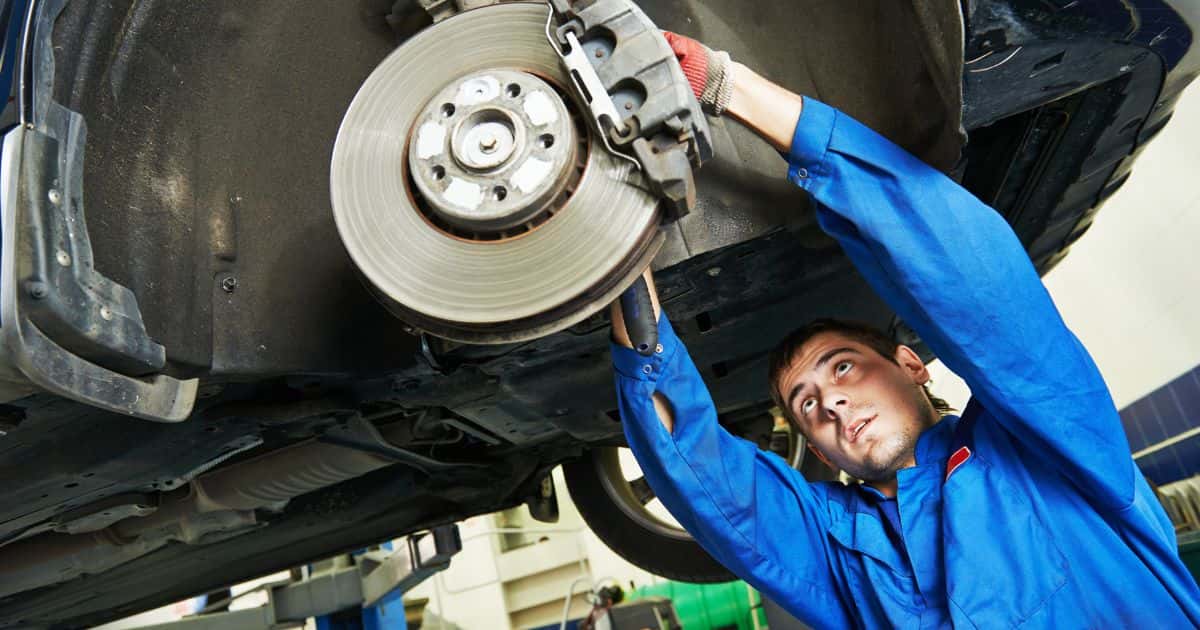
- Regular brake pad replacement is essential for safe driving and prevents costly damage to your Nissan’s braking system.
- Brake pad replacement is crucial once warning signs like squealing, grinding, or pulling to one side occur. It is important to use genuine Nissan parts because they guarantee compatibility, superior quality, and specific warranty protection.
- For professional brake service in Cleveland OH, I-90 Nissan provides expert technicians who use genuine Nissan parts to ensure optimal braking performance and safety.
Also Read: Warning Signs of Bad Rack and Pinion Symptoms
Your vehicle’s brakes stand as one of the most critical safety features you rely on every single day. When you press the brakes, brake pads create the friction needed to bring your car to a safe stop. Over time, these pads wear down naturally through regular use.
Hence, knowing when to replace brake pads can mean the difference between safe driving and a dangerous situation on the road. In this complete brake pad replacement guide, you’ll recognize the warning signs, understand costs, and what to expect during the replacement process.
How Your Brakes Actually Work
Before diving into when to replace brake pads, understanding how they function helps you appreciate why maintenance matters so much.
When you press the brake pedal, hydraulic fluid transfers pressure to the brake caliper. The caliper then squeezes the brake pads against a spinning disc called a rotor. This friction between the pad and rotor slows the wheel rotation, bringing your vehicle to a stop.
Since brake pads wear down over time through this friction process, regular inspection and timely replacement keep your braking system working at its best. The front brake pads typically handle about 70% of the braking work, which means they often wear faster than rear brake pads. However, rear pads are usually smaller and wear at similar rates despite doing less of the heavy lifting.
Clear Warning Signs You Need Brake Pad Replacement
If you are unsure when is the time to replace brake pads, your vehicle sends clear signals indicating that it requires brake service. Ignoring these signs is dangerous because it can compromise your vehicle’s stopping ability.
Here are the primary indicators that suggest it is time for a brake pad replacement:
Squealing or Screeching Sounds
A high-pitched squeal when you apply the brakes usually signals worn brake pads. Most brake pads include a small metal tab called a wear indicator that creates this sound when pads get thin. This noise serves as your first warning that it’s time to schedule service soon.
Grinding or Metal-on-Metal Noise
If you hear grinding noise, your brake pads have worn down completely. At this point, metal parts scrape directly against the rotors, causing serious damage and dramatically increasing replacing brake pads cost.
When you hear grinding, stop driving and get your vehicle to a service center immediately.
Reduced Braking Performance
Notice that your car takes longer to stop than usual? Feel like you need to press harder on the brake pedal?
These signs point to worn brake pads that no longer create sufficient friction. Some drivers describe the pedal feeling “soft” or “spongy” when pads are badly worn.
Vibrations When Braking
If your steering wheel shakes or vibrates when you apply the brakes, this often indicates warped rotors or uneven pad wear. While this might not always mean immediate brake pad replacement, it definitely requires a professional inspection.
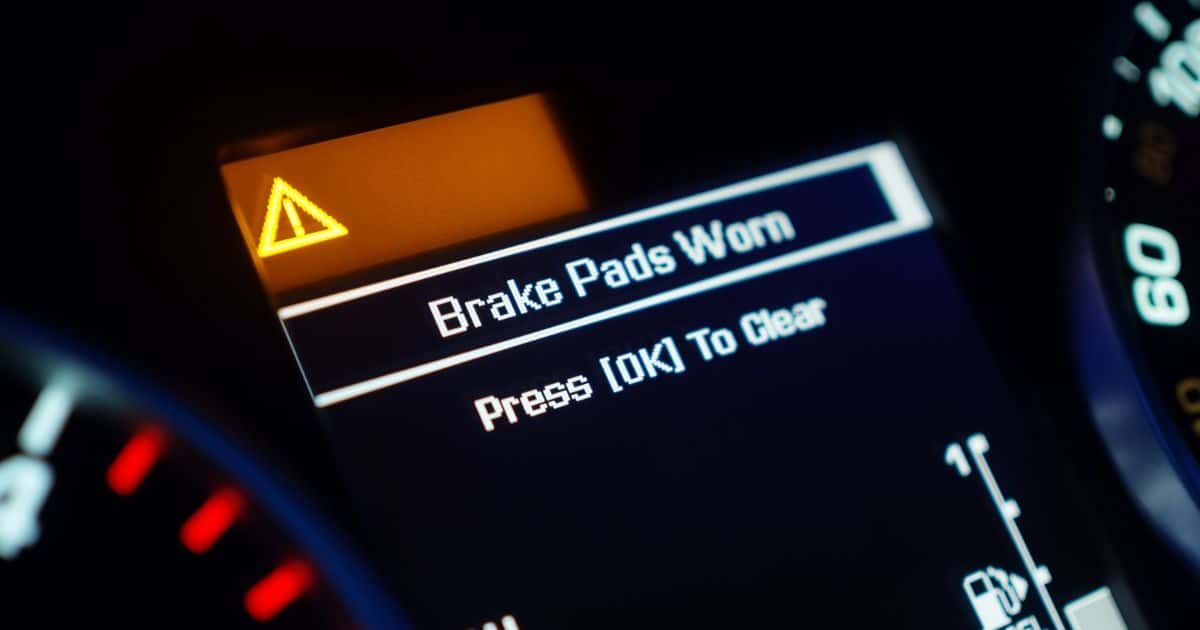
Dashboard Warning Light
Modern vehicles have brake wear sensors that trigger a dashboard warning light when pads reach a certain level of wear. Never ignore this light. It alerts you before the problem becomes dangerous.
Visual Check Through Wheel Spokes
On many vehicles, you can see the brake pad through the spaces in your wheel. Look between the spokes at the brake assembly. If the pad appears less than one-quarter inch thick, schedule brake pad replacement near me soon.
When any of these signals appear, you should prioritize getting a professional inspection. If you are near the I 90 Nissan Cleveland area, let the service center at I-90 Nissan help.
When to Replace Brake Pads: Mileage Guidelines
Understanding how often to replace brake pads helps you plan and budget for this maintenance. Most brake pads last between 25,000 to 70,000 miles, though this range varies based on several factors, with driving habits making the biggest difference in pad lifespan.
Driving Conditions That Affect Pad Life
Stop-and-go city driving wears pads faster than highway cruising. Drivers who frequently brake hard or “ride the brakes” with constant light pressure will need replacing brake pads more often.
Carrying heavy loads or towing trailers also increases brake wear. Hilly terrain requires more braking than flat roads, which shortens pad life too.
Inspection Schedule Recommendations
Even if you’re not experiencing warning signs, have your brakes professionally inspected around 30,000 miles. This catches problems early when repairs cost less. Many service centers, including I-90 Nissan Cleveland, offer complimentary brake inspections during routine maintenance visits.
How often brake pads need replacement depends on your individual driving patterns. Some drivers get 50,000 miles or more, while others might need new pads at 30,000 miles.
Regular inspections help your technician track wear and predict when replacement will be necessary.
How Long Does Brake Pad Replacement Take
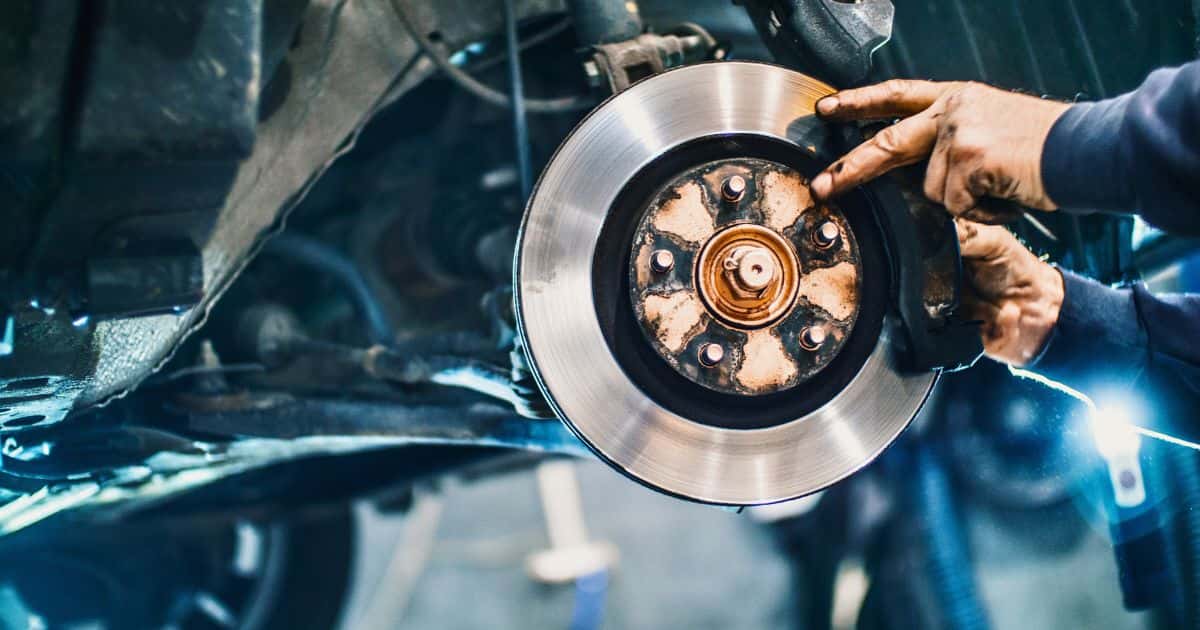
Most drivers want to know how long brake pad replacement takes so they can plan their day accordingly. A standard brake pad replacement usually takes between one to three hours per axle. Replacing both front and rear pads might take 3-4 hours total. But this largely depends on the vehicle and any complications that arise during the work.
Some service centers offer express brake services that prioritize speed. Though it’s generally better to let technicians take the time needed to do the job properly. At I-90 Nissan, the service team works efficiently while maintaining high-quality standards.
Many customers drop off their vehicle and pick it up later the same day. Or they wait in the comfortable customer lounge during service.
Cost of Brake Pad Replacement: What to Expect
Understanding the typical brake pad replacement cost helps you budget appropriately and recognize fair pricing when shopping for service.
Parts Costs
Brake pad prices range from about $35 to $150 per axle, depending on the material and quality.
Basic organic pads sit at the lower end of this range. Semi-metallic pads typically cost between $30 and $70, offering a good balance of performance and value. Premium ceramic pads run from $50 to $100 or more but provide superior durability, less dust, and quieter operation.
For Nissan vehicles, genuine Nissan parts ensure a perfect fit and optimal performance. Using genuine Nissan parts means you get components engineered specifically for your vehicle rather than generic alternatives that might not meet factory specifications.
Labor Costs
Professional installation adds $80 to $200 per axle, depending on where you get the work done. Independent shops generally charge $80 to $120 per hour, while dealerships typically charge $120 to $200 per hour.
The higher dealership rate often includes specialized expertise, proper diagnostic equipment, and warranty coverage on the work.
Total Front Brake Pad Replacement Cost
Adding parts and labor together, the front brake pad replacement cost typically runs between $115 and $300 per axle. Since most vehicles have two axles, a complete four-wheel brake pad replacement costs between $230 and $600 for all four wheels.
Additional Expenses to Consider
Sometimes replacing brake pads requires additional work. If your rotors are damaged, warped, or too thin, rotor replacement adds $200 to $400 per axle.
Brake fluid service, damaged calipers, or other brake components can increase the final bill. A thorough inspection before starting work helps identify all necessary repairs upfront so you’re not surprised.
Rear Brake Pad Replacement
The cost for rear brake pad replacement typically matches front brake costs, averaging $115 to $300 per axle. Even though rear brakes do less work, the smaller pad size means they wear at similar rates to front pads.
Why Quality Matters: Choosing Genuine Parts
When performing a brake pad replacement, the quality of the replacement components is paramount to your safety and the vehicle’s longevity. For Nissan owners, using genuine parts Nissan is vital.
Using Nissan genuine parts over non-factory aftermarket components can be the difference between having a car that lasts for ten years or more and one that wears out prematurely. Factory parts are preferred because they guarantee compatibility, high quality, dependable support, and reliable warranty coverage.
The Parts Department at I-90 Nissan maintains a large inventory of factory OEM parts constantly in stock. This includes components for the Master Cylinders & Parts, like the Master Cylinder itself and the Power Booster. When you need to replace brake pads, you can easily order these factory parts online.
If you are curious about how to replace brake pads yourself, remember that proper brake repair requires specialized diagnostic tools and equipment to ensure the fix is correct the first time. The factory-trained technicians at I 90 Nissan are equipped to handle these critical services accurately.
Why Choose I-90 Nissan for Your Brake Service Needs
Safe driving starts with reliable brakes. Thus, your brakes deserve attention and proper maintenance because they protect you, your passengers, and everyone sharing the road. This brake pad replacement guide covered the warning signs to watch for, typical costs, and why professional service matters for this critical safety component.
When you notice any brake warning signs, contact I-90 Nissan to schedule an inspection. The factory-certified technicians provide honest assessments, fair pricing, and expert service using genuine Nissan parts.
Read Next: Where to Trade In Your Car in Cleveland, OH
0 comment(s) so far on Brake Pad Replacement: Signs It’s Time & Cost Guide