
Warning Signs of Bad Rack and Pinion Symptoms
If you’ve ever been driving and felt your steering wheel get unusually heavy or unresponsive, it could be a sign of a failing rack and pinion system. This part of your steering mechanism is crucial for controlling your vehicle, and when it starts to fail, it can make driving more difficult and dangerous.
The rack and pinion system turns your steering wheel’s motion into the side-to-side movement that directs your car’s front wheels. It’s the most common type of steering system in modern cars because it’s simple and effective. However, like any car part, it can wear out over time. When it does, you may notice symptoms like a heavy steering wheel, strange noises while turning, or difficulty steering.
If you notice any issues with your steering, it’s important to get it checked out right away. Addressing the symptoms of a bad rack and pinion early on can help you avoid serious safety risks and costly repairs.
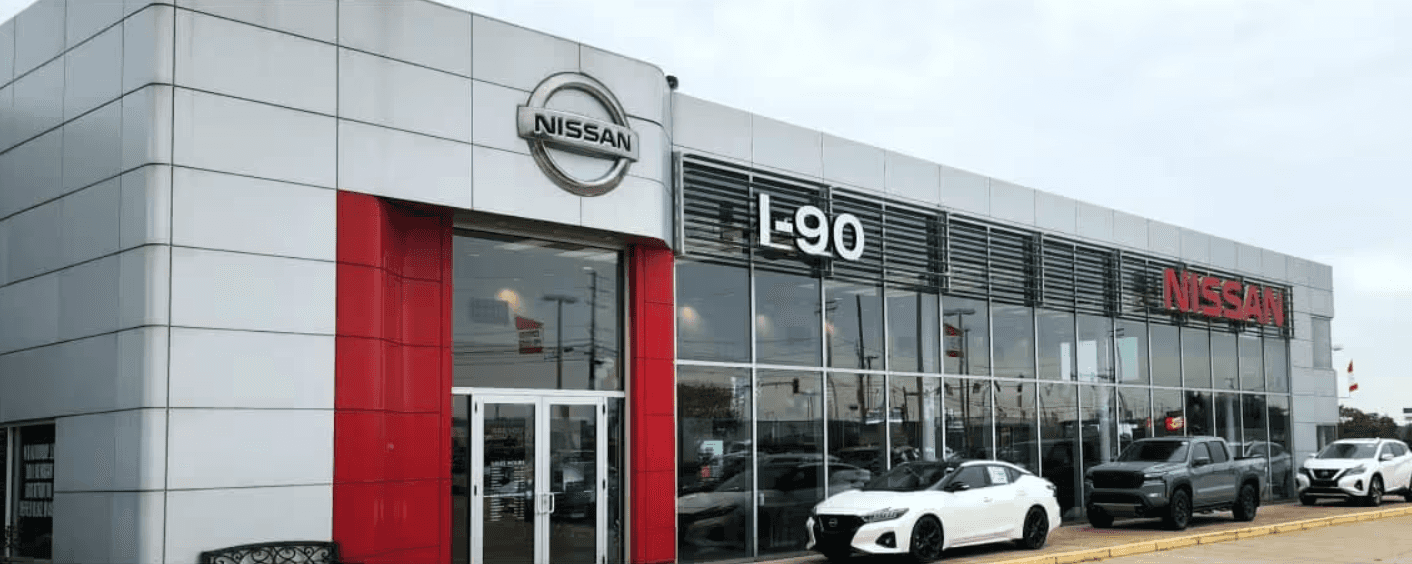
Now that the 2025 Nissan Rogue is here, if you’re in the market for one, don’t wait—whether you’re looking for a Nissan Rogue for sale or considering a Nissan Rogue lease, head over to I-90 Nissan today and get the best deals and explore your options now.
Also Read: Everything You Need to Know About 2025 Nissan Rogue Colors
A Closer Look at the Rack and Pinion System
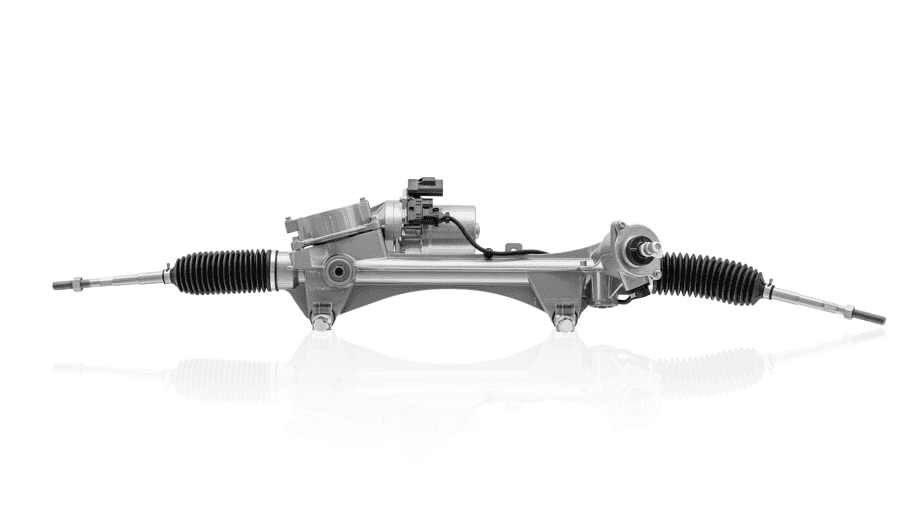
The rack and pinion system is a key part of your vehicle’s steering, helping you control the direction of your car. It’s found in most modern vehicles and works by converting the rotation of your steering wheel into side-to-side movement of the car’s wheels. The system includes two main parts: the rack, a long metal bar, and the pinion, a small gear that moves along the rack.
When you turn the steering wheel, the pinion gear rotates, which moves the rack either to the left or the right. This movement is transmitted through tie rods to the front wheels, causing them to turn. This simple yet effective system ensures your car responds directly to your steering input, providing smooth and precise control.
The rack and pinion system enhances steering responsiveness and stability, contributing to a better driving experience. When it is in good condition, your car will handle smoothly and predictably. Understanding how this system works can help you appreciate the precision of modern steering and highlight the importance of keeping it well-maintained for safe driving.
Signs of a Bad Rack and Pinion
Here are the key signs of a bad rack and pinion and how to tell if it’s failing:
Difficulty Steering
Difficulty steering is a common sign of a bad rack and pinion system. One of the first things you might notice is your steering wheel moving on its own, turning slightly without you doing anything. This is a clear sign that something is off with the steering mechanism and can make it harder to control your car.
Another issue is when the steering wheel doesn’t return to the center after a turn. Normally, the wheel should naturally go back to its starting position, but a failing rack and pinion may prevent this. You might also feel the steering become heavy or stuck, especially at low speeds, making it harder to maneuver your vehicle smoothly. Other signs to look for include a lack of responsiveness in certain parts of the steering wheel, loose steering, or unusual vibrations, particularly when turning.
Unusual Noises
Unusual noises when turning the steering wheel, like grinding, creaking, or whining, indicate that something might be wrong with your rack and pinion system. These sounds often occur at low speeds or when the car is idling and usually happen when parts inside the steering rack are worn out, damaged, or lack proper lubrication.
Fluid Leaks
Fluid leaks are another common sign of a failing rack and pinion system. Power steering fluid is essential for smooth steering, and a leak can cause problems like stiff or unresponsive steering. If you spot red or pink fluid under your car, especially near the front wheels, it’s likely a power steering fluid leak that needs attention.
Sometimes, rack and pinion leak can be slow, and you might not notice a puddle of fluid. However, regularly checking your fluid levels can help you spot any drop in the fluid before it causes more serious issues.
Burning Oil Smell
A burning oil smell can indicate problems with your rack and pinion system. It typically occurs when the power steering fluid overheats due to increased friction in the system. As the steering rack wears down, the fluid breaks down faster, which leads to a distinct burning smell.
Dead Spots and Excessive Play in Steering
One issue to watch for is a “dead spot,” where the steering wheel becomes unresponsive in certain positions, preventing the front wheels from turning. This often happens due to worn bushings that no longer keep the rack and pinion assembly secure, reducing steering precision.
Excessive play is another warning sign. If you have to turn the steering wheel significantly before the front wheels respond, your steering system isn’t working properly. While the car eventually turns, the delay can make driving unpredictable, especially in situations requiring quick adjustments. This is usually caused by worn tie rod ends or a failing steering gear.
Tips for Maintaining Your Steering System
Keeping your steering system in good shape is key to a smooth and safe driving experience. Regularly checking your power steering fluid, looking for leaks, and inspecting components like tie rods and bushings can help catch issues before they turn into costly repairs. If you notice unusual noises, stiffness, or unresponsiveness in your steering, don’t ignore them—getting your system checked early can prevent bigger problems down the road. With proper maintenance, you can ensure precise control and a longer lifespan for your steering components.
Summary
A well-functioning rack and pinion system is essential for smooth and responsive steering. But how can you tell if rack and pinion is bad? Common signs include difficulty steering, unusual noises when turning, fluid leaks, and excessive play in the steering wheel. Ignoring these symptoms can make your vehicle harder to control and put your safety at risk.
Regular maintenance, such as checking power steering fluid levels and inspecting key components, can help prevent major issues. If you notice any changes in how your steering feels or sounds, it’s important to have it checked by a professional. Addressing the problem early ensures a safer driving experience and helps you avoid costly repairs down the road.
Searching for “rack and pinion repair near me“? Look no further than I-90 Nissan! Our service center is staffed with highly trained technicians specializing in rack and pinion systems. We use only genuine parts and state-of-the-art equipment to ensure your steering is in top condition. Experience the I-90 Nissan difference – visit us today!
Read Next: Why the 2025 Nissan Frontier is the Best Midsize Truck
0 comment(s) so far on Warning Signs of Bad Rack and Pinion Symptoms